The Silent Saboteur: How Your Mental Operating System Blocks Your Success
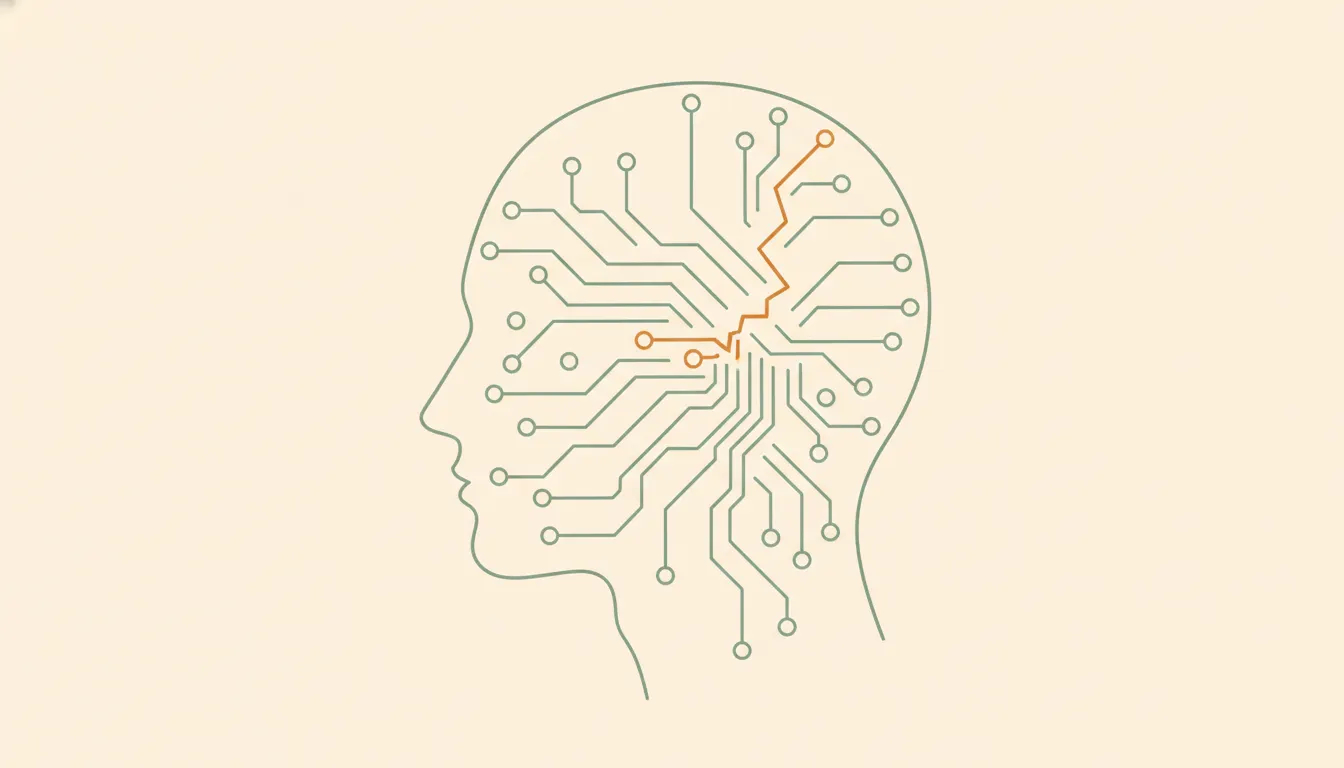
For years, I was my own worst obstacle without recognizing it. I blamed external factors — the economy, my background, my circumstances — for my failures. The real issue was the internal dialogue running constantly in my head: “I’m not lucky enough,” “I lack the right connections,” “It’s too late now,” and similar limiting statements.
The turning point came during university when pursuing nursing. Deep dissatisfaction made me realize that my biggest barrier wasn’t the outside world — it was myself and the choices I’d made.
Understanding Your Mental Operating System
Your life reflects the cumulative decisions you’ve made. My mental software had critical flaws requiring a complete overhaul, not just a restart.
We rarely question our thinking patterns, beliefs, and daily mental habits. Yet these elements form our mental operating system — the collection of beliefs, thought patterns, and responses that make up your life. The troubling truth is that most of this software wasn’t self-created but installed by others: parents, teachers, society, and media.
Each comment and lesson absorbed became a belief application, running automatically whenever you face something new and determining your response.
The Cost of Outdated Mental Software
An antiquated operating system extracts significant hidden expenses:
- Missed Opportunities: Your inner critic whispers you’re not prepared or deserving, causing you to pass on chances
- Stagnation: You maintain high school beliefs despite living in a completely different environment
- Relationship Sabotage: You attract only what you genuinely believe you merit in friendships and partnerships
- Financial Ceiling: Your money mindset establishes your earning potential and net worth boundaries
- Health Neglect: That voice saying “tomorrow” or “I’m too busy” represents outdated programming
Living with an outdated mental operating system is like trying to run the latest apps on a computer from the 90s. It doesn’t work.
Upgrading Your Operating System
Genuine change isn’t instantaneous. It requires deliberate work but represents your most valuable investment.
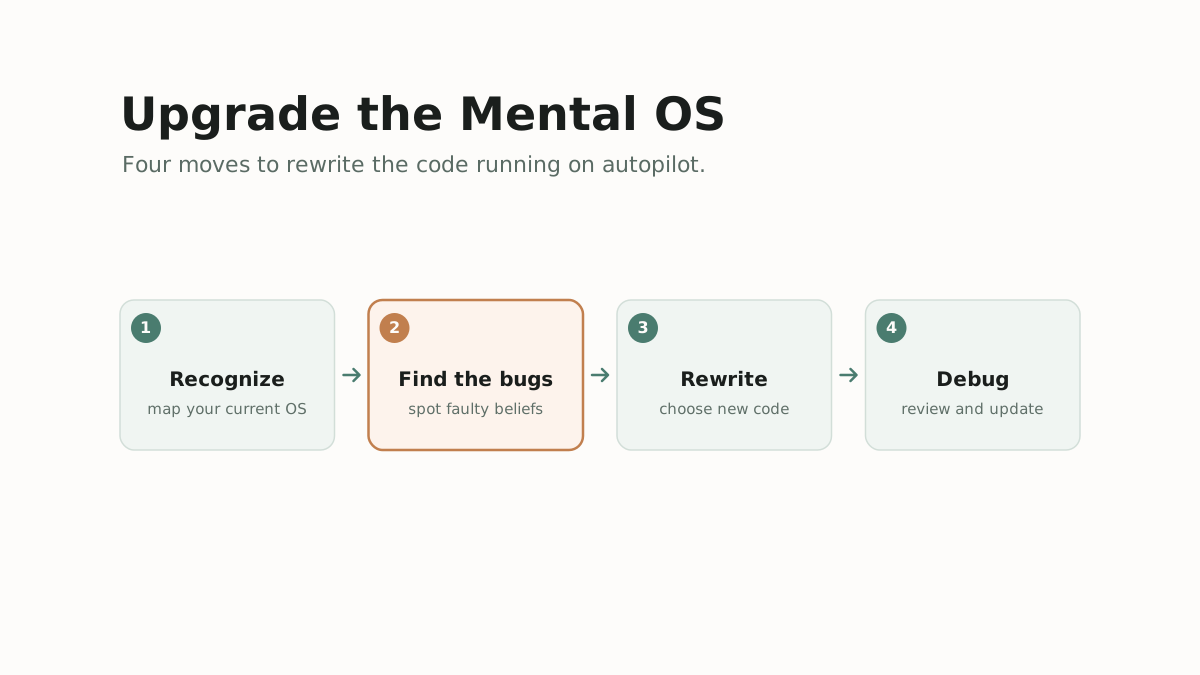
Recognize Your Current Operating System
Awareness forms the foundation. You must identify your existing OS by examining:
- What recurring thoughts emerge when facing obstacles?
- What beliefs do you hold about yourself, others, and reality?
Journal daily for a month. Record your thoughts, reactions, and their underlying beliefs. This uncomfortable exercise reveals patterns in your thinking and decision-making.
I discovered my own patterns: believing I wasn’t sufficiently capable or intelligent, thinking achievement belonged to others, viewing myself as antisocial, and questioning the point of effort.
Identify The Bugs
Once you map your current OS, you’ll spot the corrupted thought patterns and beliefs sabotaging you invisibly throughout your life. These represent the wrong type of autopilot — one that crashes.
Common faulty lines include: “Money is inherently evil,” “People like me don’t achieve this,” “I lack the necessary qualities for success,” and “I’m insufficiently intelligent.”
Here’s the crucial point: none of these are facts. They’re lines of faulty code in your software.
Choosing Your New Operating System
Rather than shouting hollow affirmations, select empowering beliefs aligned with your reality and objectives. Transform limiting ideas into constructive ones:
- Instead of “Money corrupts,” adopt “Money represents a tool for creating value for myself and others”
- Replace “People like me don’t” with “I chart my own course”
- Change “I lack talent” to “I possess unique abilities the world requires”
- Shift from fixed thinking to “I’m continuously developing”
Rewiring requires intentional practice — noticing faulty code and rewriting it in real-time. These bugs will persist but won’t impact you as severely. You’ll become skilled at filtering and correcting them immediately.
Reinforce your new OS through:
- Cognitive restructuring: Actively challenge and reframe emerging negative thoughts
- Visualization: Regularly imagine yourself operating from your upgraded OS. What does someone with your new beliefs do?
- Affirmations: Use realistic statements reinforcing your new beliefs, not delusional platitudes
- Lifestyle design: Surround yourself with people, content, and experiences supporting your new OS
My personal changes included meditation, daily journaling, regular mental state reviews, curating social feeds to eliminate old patterns, and becoming selective about friendships. Your environment can make or break this process.
Your setting either supports or undermines transformation. It’s comparable to recovering from addiction while returning to familiar destructive environments daily. Scrutinize everything people communicate — their faulty code can corrupt your OS. Though well-intentioned, others aren’t you and frequently carry skepticism that extinguishes dreams before they ignite.
Debug and Optimize
Software engineers review and correct code when problems arise. Your OS requires identical treatment.
Life introduces new obstacles and failures. You must continually review and update your beliefs to overcome them. This requires:
- Self-reflection on your thoughts and decisions
- Persistent self-education
- Willingness to acknowledge when beliefs aren’t working and courage to evolve
You’re the engineer. The power belongs to you.
The Payoff of Your Premium Operating System
Upgrading delivers transformative advantages:
- Resilience: Life’s obstacles transform into learning opportunities
- Clarity: Discover clearer purpose and direction, liberated from self-doubt and external expectations
- Creativity: With limiting beliefs removed, your mind expands toward fresh ideas and breakthroughs
- Relationships: You establish and maintain healthier, more fulfilling connections
- Success: You accomplish previously impossible objectives
My own upgrade opened unexpected doors. I transitioned to passionate work, discovered inner tranquility, earned significantly more income, helped my parents retire, and cultivated substantial relationships. Yet the real victory is in who you become through this process.
Any external achievement represents a byproduct of your transformation, not the goal itself.
The Challenge
Transforming your operating system is difficult and uncomfortable. It demands confronting avoided truths about yourself and accepting complete responsibility for your life and thinking patterns. It means taking control.
The alternative? Continuing with outdated software and letting circumstances direct your existence.
Here’s your immediate assignment:
- Get a notebook or create a new document
- List every recurring thought and belief about yourself
- Be radically honest
- Execute the steps described daily
Your mind is the most powerful tool you have. It goes everywhere with you. It’s time to optimize it for success, fulfillment and growth.
— filed under programming, October 2024

David Vo
Writing about mindset, purpose, money, and building with AI, from Montreal. Breaking free from autopilot, one system at a time.
Related articles
The GenAI Guide: How to Actually Use AI (Without the Hype)
A plain-English, model-agnostic guide to using AI at work and in life. What an LLM is, why it's for you, how to pick and test models yourself, and the guardrails that keep you in charge.
The Boredom Advantage: Why Your Inability to Be Bored is Killing Your Breakthroughs
Boredom isn't a void to be filled - it's the loading screen for your next breakthrough. Learn the science behind dopamine depletion, why the world's greatest thinkers engineered empty space, and a practical reset protocol to reclaim your focus.