You're not behind
AI anxiety is the hidden tax in a new outfit. Here's how to keep up with the AI world without paying it.
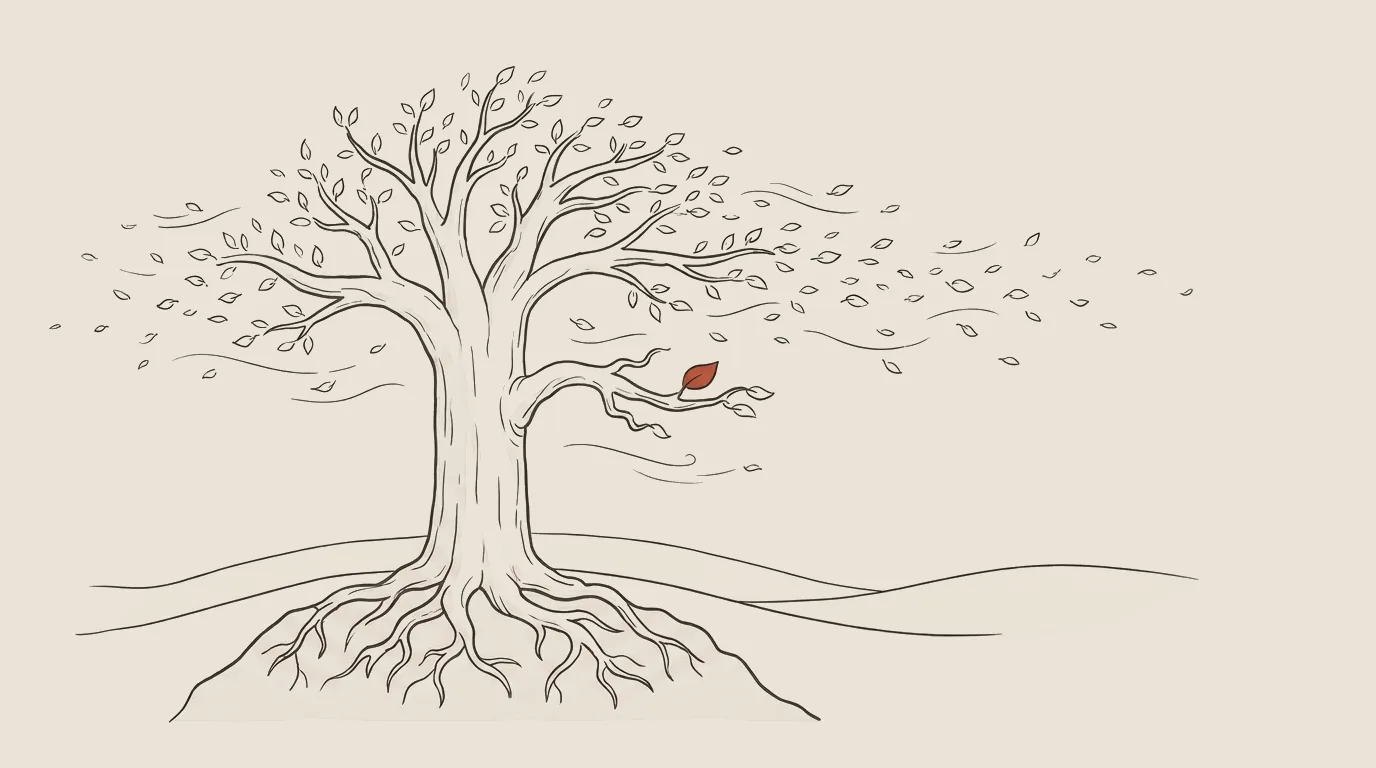
It’s 11 p.m. and you’re half asleep, scrolling a thread about the newest AI model.
Everything changed. Again. Someone built a full app in an afternoon, and someone else says your job won’t look the same by spring.
You put the phone down feeling a year behind. And you haven’t done a single thing tonight except read.
Sound familiar?
The FOMO got a new outfit
I wrote about the hidden tax that’s making you slower a while back. Every time you skip the foundations to go faster, you pay for it later, with skills that crumble and projects that end up in the graveyard.
AI anxiety is the same tax, except now it shows up every single week.
Here’s how it works. The fear tells you you’re falling behind, so you chase. You sign up for every new tool, save every thread, try every workflow someone swears by. You master none of them. A month later you’re more tired, and you still feel behind.
I call this the Panic Tax.
And I’m not writing this from above it. I became the go-to AI guy at work, and I still catch myself reaching for Claude before my own brain has even warmed up. Nobody is immune to this, including the people who look calm about it online.
Your imagination is doing most of the damage
Seneca wrote this to a friend almost two thousand years ago:
“There are more things, Lucilius, likely to frighten us than there are to crush us; we suffer more often in imagination than in reality.” Seneca, Letter 13 (trans. Richard Mott Gummere)
Read that again.
The 11 p.m. version of the future is loud and certain. The real one shows up slowly, one ordinary week at a time, and it gives you room to adjust. Think back to the last wave of tools everyone said would change everything. Most of it didn’t hit you the way the threads promised. Some of it did, and you figured that part out the way you always do.
The numbers back this up, too. In July 2026, Menlo Ventures surveyed 5,067 American adults: 64% had used AI at all, up from 61% the year before. Three points in a whole year. More than a third of adults haven’t tried it once. The timeline makes it feel like everyone else is already gone. Most people are still putting on their shoes.
The worry isn’t useless. It’s just a terrible boss.
What’s actually in your control
Epictetus opens his handbook with the line the whole of Stoicism hangs on:
“There are things which are within our power, and there are things which are beyond our power.” Epictetus, the Enchiridion (trans. Thomas Wentworth Higginson)
Run AI through that filter and the panic shrinks fast.
Not in your control: when the next model ships, what it can do, what your industry decides, and what a stranger posts about it at midnight.
In your control: what you practice this week, which tool you actually learn, how often you check the news, whether you think before you ask.
All of the anxiety lives in the first list. Every useful move lives in the second.
AI multiplies whatever you bring
Here’s the thing: these tools are multipliers. And anything times zero is still zero.
Researchers from Harvard and BCG gave 758 consultants GPT-4 and watched what happened. On tasks the AI was good at, the consultants using it got more done, faster, and their work got better. But on a task just outside what the AI could handle, the ones using it were less likely to get the right answer than the ones working on their own.
The tool made good judgment better. It made missing judgment worse.
That’s the paradox from the hidden tax, on steroids: the faster the tools get, the more your foundations matter. Taste, judgment, knowing which problems are actually worth solving, knowing your field well enough to catch a confident wrong answer: none of that comes in a download. It comes from the boring work the Panic Tax tells you to skip.
The people who’ll be fine in five years won’t be the ones who tried every tool. They’ll be the ones whose basics held.
How to stop paying the Panic Tax
You don’t need to ignore AI. You need to meet it on your own terms. Here’s what that looks like in practice:
-
Put the news on a diet. Pick one place and one time to catch up, like Friday morning, and mute the launch threads the rest of the week. Anything that actually matters will still be true on Friday.
-
Go deep on one tool. Claude or ChatGPT, honestly it doesn’t matter much. Use one for a month on your real work until you know where it shines and where it bluffs. One tool you know inside out beats ten logins.
-
Think first, then ask. Write your own rough answer before you open the chat, even if it’s three bad lines. Then let the AI push on it. A tool that sharpens your thinking and a tool that replaces it feel exactly the same in the moment. You only find out which one you were using months later.
-
Only lean on it where you could grade it. If you can’t tell whether the answer is right, you’re gambling. Lean on AI hardest where you already know your stuff, and go slow where you don’t.
-
Keep one skill hand-made. Pilots still practice manual landings. Pick one thing you do without AI on purpose: the writing you do to think, the first draft of a hard email, the math on your own budget. That way the muscle is still there when the tool isn’t.
-
Test it on your work, not on demos. Keep five real tasks from your own week. When a new model drops, run those five and compare. Fifteen minutes of that beats a hundred reviews, and you’ll never feel behind on a launch you haven’t even tried.
-
Compare yourself to last month, not to the timeline. The thread shows you the best day of someone you’ve never met. The only fair comparison is you, four weeks ago.
But some of the worry is fair
Let’s be real: work is changing. Pretending it isn’t is just a quieter kind of anxiety.
Some of the tasks you get paid for today will be done by software. So prepare for what you can. Learn the tools well enough to direct them, and move toward the parts of your work that need judgment. Keep some savings, too, so a change of role is a decision and not an emergency. Take this with a grain of salt, because nobody knows exactly what the next five years look like, including the people writing the threads.
And refusing to touch AI out of fear? That’s the other way to lose, so stay the one holding the tool.
The part that lasts
I think a lot about what’s worth passing on to the people coming after me, and a faster way to get answers isn’t it. It’s the ability to think when there isn’t an answer ready.
That’s what this moment is really testing. The tools will change every few months. Your judgment and your foundations only change when you work on them, and they’re the part that compounds.
So close the thread and do one real piece of work tonight, the boring kind, with your own head.
You’re not behind. You’re just early to the part that matters.